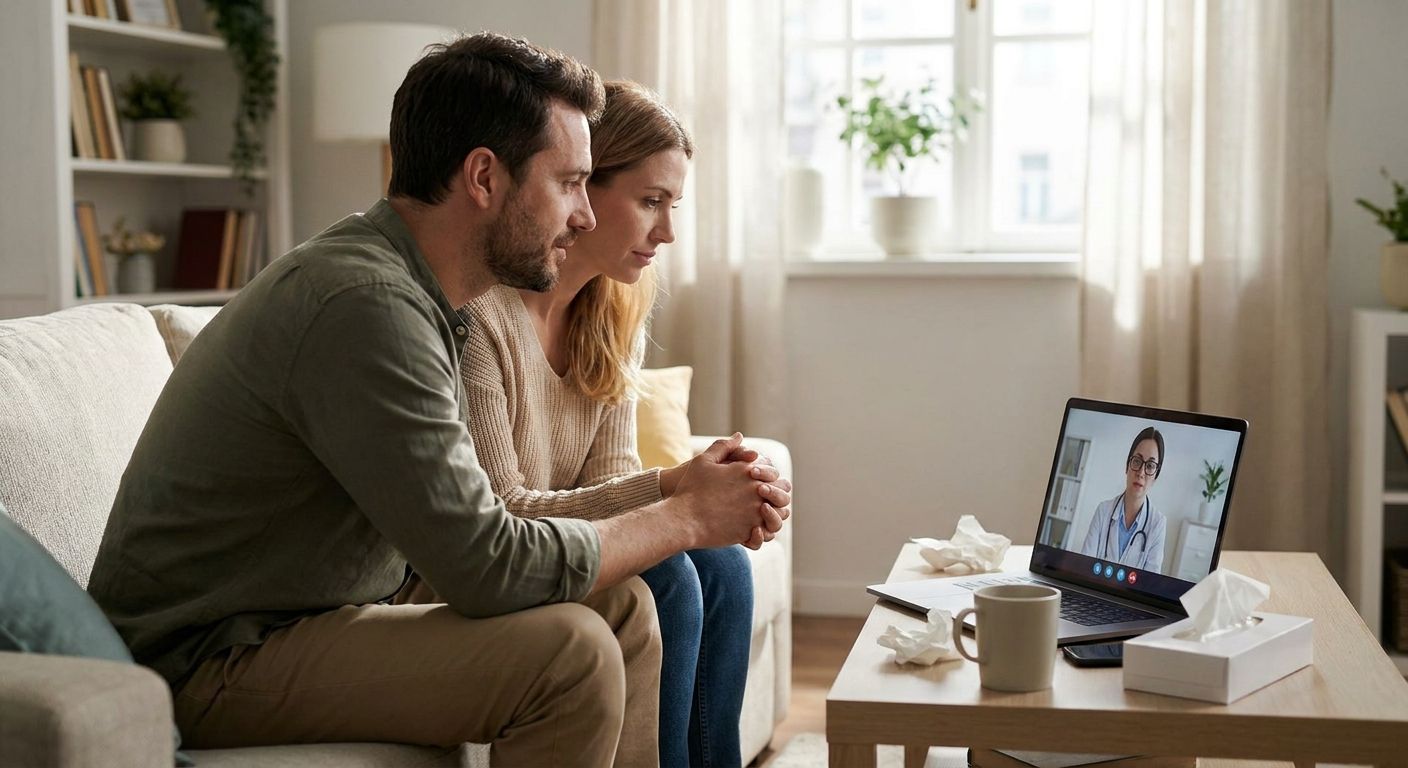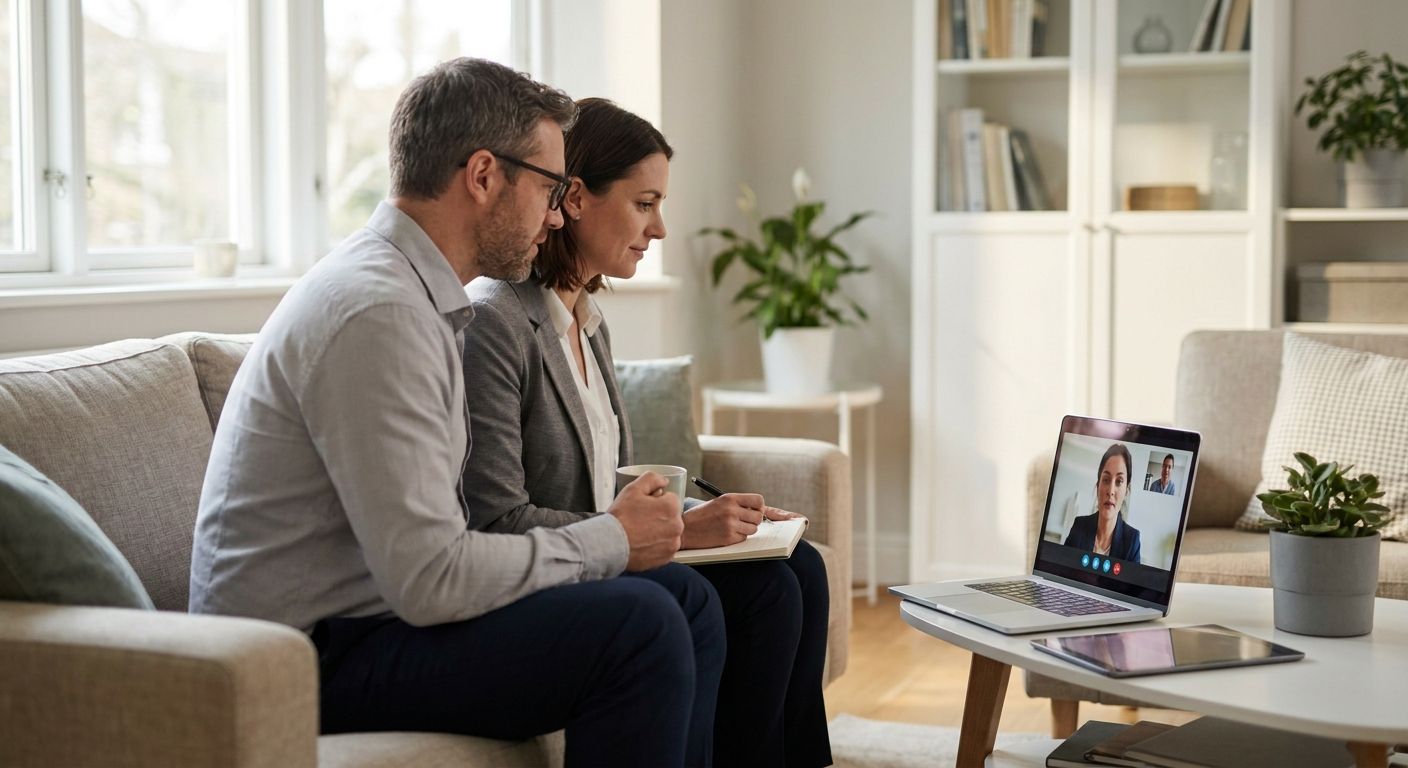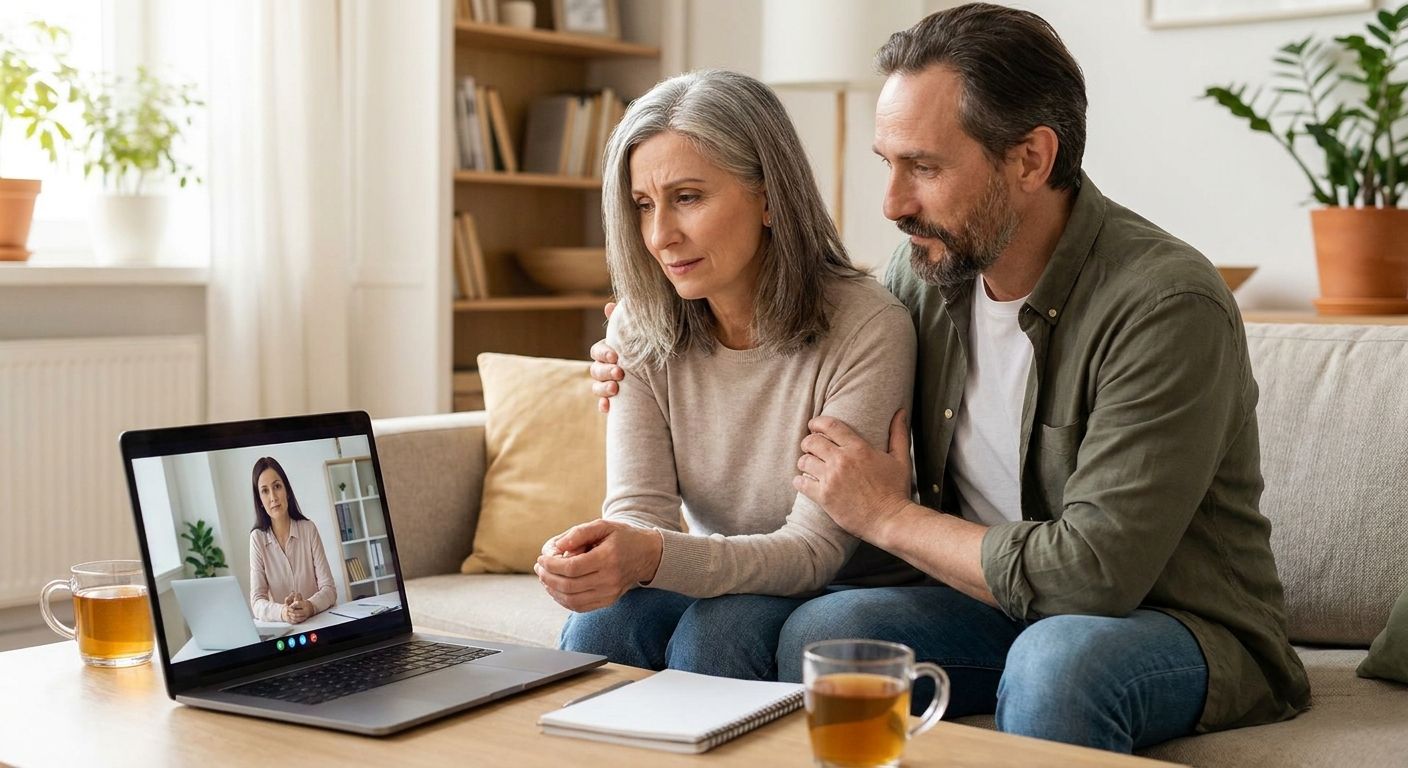
When a chronic illness moves into a relationship, it doesn't stay in one room. Diagnosis, treatment schedules, fatigue, and role changes reshape how a couple talks, plans, and shows up for each other, and finding couples counselling for chronic illness that fits your energy levels and your calendar matters more than finding the "best" therapist on paper.
- Weekly 60-minute video sessions from £80 suit couples managing a progressive or long-term condition together in 2026 — Buy.
- Single flexible sessions booked around flare-ups beat rigid weekly slots for unpredictable conditions — Consider.
- Generic relationship apps without a qualified therapist skip the illness-specific dynamics entirely — Skip.
- Couples heading into a high-conflict spiral over caregiving roles should pair chronic illness work with high-conflict relationship support.
Why this matters
Chronic illness changes the division of labour in a relationship almost overnight. One partner takes on more caregiving, the other loses independence, and both start grieving a version of the relationship that no longer exists.
Couples counselling for chronic illness isn't about fixing the illness. It's about giving two people a structured, confidential space to talk about resentment, fear, and exhaustion before those feelings calcify into distance. A 60-minute video session in 2026 removes the logistical excuse — no travel, no waiting room, no need to find childcare or arrange time off during a flare.
Who this is for
This is for couples where one or both partners live with a chronic condition — multiple sclerosis, diabetes, chronic pain, autoimmune disease, long covid, or a recent cancer diagnosis — and the relationship is absorbing the strain. It's for the partner doing unpaid caregiving who feels more like a nurse than a spouse, and for the ill partner who feels like a burden rather than an equal. Online couples counselling works well here because sessions happen from home, on a day when energy allows, with a qualified therapist rather than a self-help forum.
What to look for in couples counselling for chronic illness
Flexibility around flare-ups
Chronic conditions don't run on a fixed schedule, and a counselling format that punishes cancellations adds stress rather than removing it. Look for a service that lets you rebook a session within the same week rather than losing it entirely when symptoms spike.
A therapist who understands illness dynamics, not just communication skills
Generic "improve your communication" frameworks miss the specific grief cycle that comes with chronic illness — the loss of future plans, the shift in intimacy, the fear of becoming a burden. A qualified therapist trained in relationship work will name these patterns directly instead of treating every argument as a generic communication breakdown.
Video access with no travel required
For a partner managing fatigue or mobility limits, a 60-minute round trip to an office can cost more energy than the session itself gives back. Video sessions in 2026 solve this by putting the appointment on a laptop or phone, at home, with no commute either side.
Confidentiality that covers sensitive health details
Couples talking about chronic illness often disclose medical details, fertility concerns, or end-of-life fears they haven't said out loud to anyone else. A confidential, one-to-one video session protects that disclosure in a way a shared family conversation or a support group can't.
Session length that matches real energy levels
A 60-minute session is long enough to get past small talk and into the actual issue, but short enough that a partner with limited stamina isn't drained by the end. Sessions stretching past 90 minutes routinely lose the ill partner's engagement in the back half.
Pricing without a long-term contract
Medical costs already stack up when a chronic condition is in the picture, so counselling priced per session — from £80 — rather than locked into a 12-session package gives couples room to pause when money or energy runs short.
The right approach for your situation
The steady pick — weekly ongoing sessions. For couples managing a progressive condition like MS or a degenerative illness, a standing weekly 60-minute slot builds a routine that catches small resentments before they become arguments. One spec that matters: consistency, not intensity — a weekly cadence at £80 a session over a few months does more than one long crisis conversation. Verdict: Buy.
The flare-up pick — flexible single bookings. Conditions like lupus or Crohn's flare unpredictably, so booking session-by-session rather than committing to a fixed weekly slot avoids paying for appointments you'll need to cancel. The concrete number here is simple: one 60-minute session booked the week a flare hits beats three missed weekly slots. Verdict: Consider.
The pre-diagnosis pick — a single preparation session. Couples anticipating test results or a new diagnosis conversation often book one session beforehand to agree how they'll talk to each other afterward. This works best as a single, focused session rather than an ongoing commitment. Verdict: Consider.
The conflict-under-strain pick. When caregiving resentment has already tipped into shouting matches or stonewalling, chronic illness counselling alone may not be enough — pairing it with support built for high-conflict relationships addresses the conflict pattern directly. Verdict: Consider.
The self-help app pick. Relationship apps and forums are free or cheap, but none of them include a qualified therapist who can spot illness-specific dynamics like caregiver burnout or anticipatory grief. Verdict: Skip.
Book a confidential session today
60-minute video sessions with qualified therapists, from £80.
What to avoid
- In-person-only counselling that requires travel during a flare. It looks more "serious" on paper, but a missed appointment because of a bad pain day costs both money and momentum.
- Locking into a 12-session package upfront. Chronic illness is unpredictable enough that per-session pricing protects you from paying for weeks you can't attend.
- Therapists with no stated experience in illness or health-related relationship strain. A therapist who only asks "how did that make you feel" without naming the caregiving imbalance will circle the same argument every week.
If one partner also processes communication differently — flat affect, direct language, or sensory overload alongside a chronic condition — check whether the therapist has experience with neurodivergent partners as well, since the two dynamics often overlap.
How the approaches compare
| Approach | Best for | Session length | Flexibility | Verdict |
|---|---|---|---|---|
| Weekly ongoing sessions | Progressive conditions | 60 minutes | Fixed slot, rebookable | Buy |
| Flexible single bookings | Unpredictable flares | 60 minutes | Book week-to-week | Consider |
| Pre-diagnosis session | Anticipated results | 60 minutes | One-off | Consider |
| High-conflict pairing | Caregiving resentment turned to conflict | 60 minutes | Fixed slot | Consider |
| Self-help apps | Budget-only support | N/A | High | Skip |
FAQ
What is couples counselling for chronic illness?
It's relationship counselling focused on the strain a long-term or progressive health condition puts on a couple, covering caregiving roles, grief, intimacy changes, and communication. Sessions run 60 minutes with a qualified therapist over video.
How much does online couples counselling cost in 2026?
Online couples counselling in the UK starts from £80 per 60-minute session in 2026. Pricing is typically per session rather than locked into a long package.
Is online counselling as effective as in-person for chronic illness?
Video sessions remove the travel and energy cost that in-person appointments demand, which matters when fatigue or mobility is limited. The therapeutic work itself — talking through caregiving strain and grief — transfers directly to video.
Should we go to counselling before or after a diagnosis?
A single session before a diagnosis conversation helps couples agree how they'll talk to each other afterward, and ongoing sessions after diagnosis help process the changes. Both are valid entry points depending on where you are.
Can one partner attend sessions alone if the other is too unwell?
Most online couples counselling is designed for both partners together, since the goal is shared understanding rather than individual processing. Check with the therapist directly if attendance needs to flex around a flare.
What if we can only commit to occasional sessions?
Per-session pricing from £80 with no fixed package lets couples book only when they need it, which suits unpredictable conditions better than a weekly contract. Consistency helps, but occasional sessions still add value.
Does chronic illness counselling help with caregiver burnout?
Yes — a qualified therapist can name caregiver burnout directly and help both partners renegotiate roles before resentment builds. This is one of the most common reasons couples book a session in 2026.
What should we avoid when choosing a counsellor for this?
Avoid therapists with no stated experience in health-related relationship strain and avoid long upfront contracts that penalise cancellations. Per-session, video-based counselling with a qualified therapist fits chronic illness better than either.
One last thing
The couples who get the most out of this in 2026 aren't the ones with the most sessions booked — they're the ones who book a single session the week a symptom flares, before the silence sets in, rather than waiting for a scheduled slot three weeks out.